
How Wolves Changed a River
Daily Tech and Science #-1433

Nature is full of surprises. Sometimes, the smallest change can cause a big reaction. That’s exactly what happened in Yellowstone National Park in the United States. Believe it or not, the return of wolves to the park helped change the shape of a river!
Let’s go back in time to understand what happened.
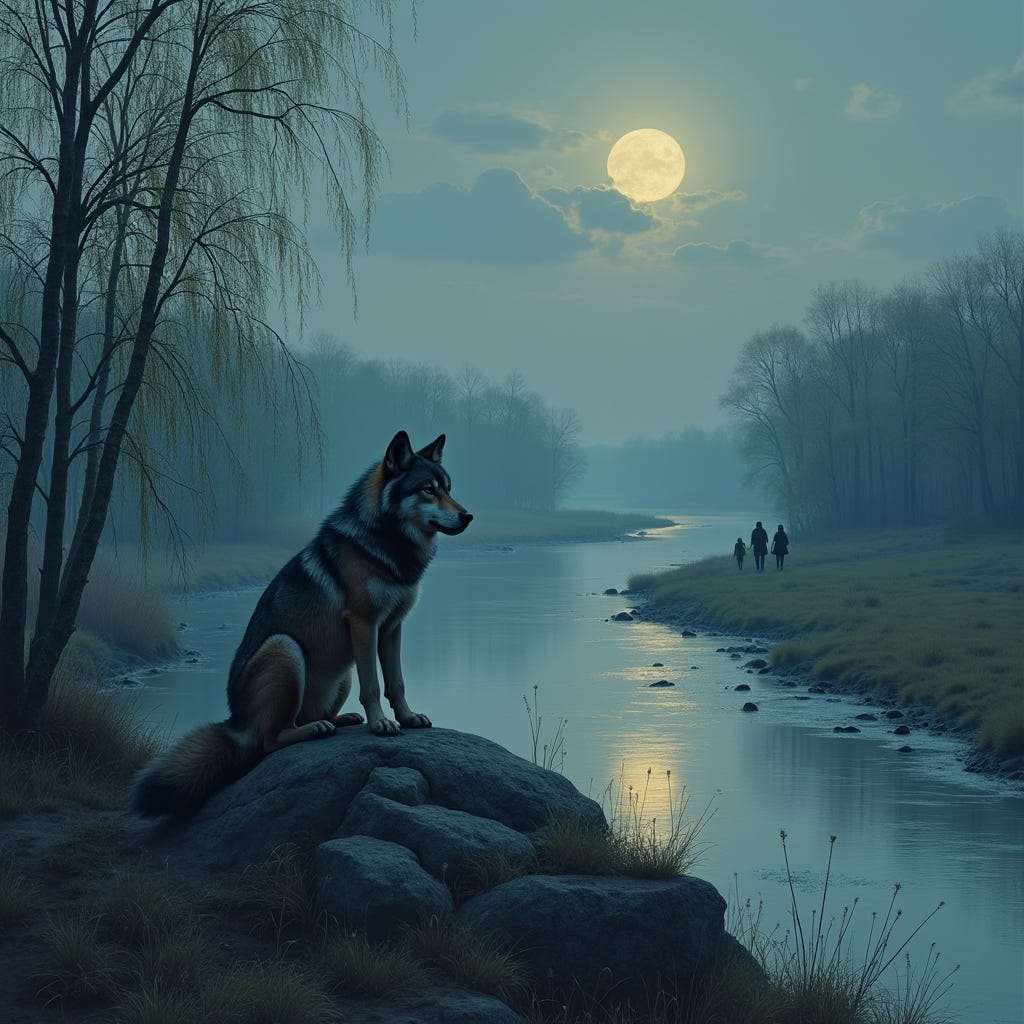
For many years, wolves lived in Yellowstone. They hunted animals like elk. The elk ate plants, but because wolves kept their numbers down, the plants had a chance to grow.
But in the early 1900s, people were afraid of wolves. They thought wolves were dangerous, so they hunted and killed them all. Wolves disappeared from Yellowstone.
Without wolves, the elk population grew. More elk meant more plants being eaten. They especially loved to eat willow trees and other plants near rivers. With so many elk eating all the plants, the riverbanks had no roots to hold the soil in place.
The soil washed away. The rivers became wider and more unstable. The land near the water changed, and animals like beavers and birds lost their homes.
Then, in 1995, something amazing happened. Wolves were brought back to Yellowstone. The wolves hunted elk again, and something even more important happened—the elk became more careful. They stopped hanging around the rivers so much.
The willow trees grew back. With the trees and plants holding the soil, the riverbanks became stronger. Beavers returned and built dams, creating homes for fish and other animals. Birds came back. The river stopped eroding and even changed its path in some places.
All this happened because of wolves!
This story is a great example of how everything in nature is connected. Wolves, elk, trees, rivers, and even birds and fish—they all depend on each other. When one part is removed, the whole system changes. When that part is brought back, nature can heal.
Nature is more connected than we sometimes realize. One animal can make a huge difference.